Most tenancy agreements put repairs in the landlord's hands, which is exactly why plenty of renters stop paying attention to the small stuff. Fair enough — you are not replacing the roof or rewiring the kitchen. But ten or fifteen minutes a month spent on the checks below will spare you much bigger headaches: a deposit dispute over a stain that could have been wiped up in week one, a musty smell that follows you from room to room, a slow leak under the sink that warps the cabinet base before anyone notices it.
None of this needs special tools. A torch, a cloth, a screwdriver, and the willingness to look closely at things you normally walk past is enough.
Why a Monthly Rhythm Beats a Yearly Panic Clean
Damage in a rental rarely arrives all at once. It builds quietly. Grout darkens, sealant lifts at one corner, a hinge starts to drag, a windowsill feels cold and damp. Individually these things look minor. Left for six months, they turn into mould behind a wardrobe, a swollen floorboard, or a repair bill deducted from your deposit.
There is a second reason to check monthly: reporting. If you tell your landlord about a dripping tap or a patch of damp in writing while it is still small, the fix is usually quick and cheap, and it stays their responsibility. If you mention it at the end of your tenancy, you are having a much harder conversation. Pick a fixed day — the first weekend of the month, or the day your rent goes out — and treat it as part of the routine rather than a chore.
Air Quality: Filters, Vents and Condensation
Indoor air quality is mostly about moisture and dust, and both are easy to stay ahead of. Every month:
- Wipe or vacuum the covers of extractor fans in the kitchen and bathroom. Switch the power off at the isolator first, and use a brush attachment rather than your fingers near the blades.
- Check the cooker hood filter. Mesh filters go in hot soapy water; charcoal or carbon ones need replacing when they stop absorbing smells.
- Vacuum the grille on any portable air purifier and check whether the filter is due for a change.
- Wipe window reveals and sills dry, especially in bedrooms where condensation collects overnight.
- Air the place properly: open windows for ten to fifteen minutes after cooking and showering rather than leaving a small gap all day in cold weather.
If black spotting keeps returning to silicone sealant or a corner of a wall after you have cleaned it, that is a moisture problem, not a cleaning problem. Report it. Damp that persists can affect your health as well as the building, so if you have a respiratory condition and the damp is not being dealt with, speak to a doctor and put your concerns to your landlord in writing.
Water Finds a Way: Leaks, Drains and Seals
Water causes more expensive rental damage than anything else. Once a month, dry the base of each sink cabinet with a tissue and then run the taps and watch. A fresh damp patch means a joint, trap or waste pipe is weeping. While you are under there, look at the flexible hose on the washing machine and dishwasher for bulges, rust or drips, and check the toilet for wobble at the base or staining around the supply valve.
Drains need attention too. A kettle of hot water down the kitchen sink and bathroom basin keeps grease and soap scum moving. If you have a spare bathroom or a guest toilet nobody uses, run the taps and flush it once a month — the water in the trap evaporates, and that is what lets sewer smells into the flat.
The Kitchen and Bathroom: Where Deposits Are Won or Lost
These two rooms do most of the work in a home and collect most of the damage. A ten-minute wipe of the hob, splashback and oven door after cooking prevents grease from baking into a layer that takes hours to shift. Wipe the fridge door seal and check it grips a piece of paper all the way round; clean the detergent drawer and door rubber on the washing machine, then run an empty hot cycle to keep it fresh. Leave the machine door ajar between uses.
In the bathroom, squeegee or wipe the shower screen after use, and keep an eye on the sealant around the bath and tray. One safety point worth remembering: never mix cleaning products. Bleach combined with ammonia-based cleaners, or with acidic products like vinegar or descaler, produces dangerous fumes. Use one product at a time, rinse well, and ventilate.
Walls, Floors and Fixtures: Catching Damage Early
Walk each room and look at it the way a landlord would at a check-out. Scuffs come off with a mild sugar soap solution or a soft eraser block. Felt pads under chair and sofa legs stop scratches spreading. Blu-tack and tape left on painted walls for months can pull the finish when removed, so take them off when you are done with them.
Look for changes rather than mess: new cracks, paint that bubbles or feels soft, skirting that has gone spongy, a window that suddenly sticks. Leave a small gap between furniture and external walls so air can move behind it. Report anything structural, damp-related or electrical in writing, and do not attempt repairs your agreement says the landlord should handle — you can end up liable for the result.
Safety Checks and a Simple Record
Test smoke and carbon monoxide alarms every month using the test button, and follow the manufacturer's guidance on batteries. If an alarm chirps and you cannot silence it, tell your landlord the same day. Check that you are not daisy-chaining extension leads or running heaters from them, and look for scorch marks or warmth at plugs.
Keep a running note of what you have checked and what you have reported: dates, a couple of photos, and the emails you sent. If a dispute ever arises, that record is worth far more than your memory.
Your Ten-Minute Monthly Routine
- Walk every room with a cloth and a torch.
- Dry-test under the sinks, then run the taps.
- Check the toilet base, supply valve and washing machine connections.
- Look at sealant, grout, window reveals and any patch of wall that feels cold or damp.
- Wipe the hob and cooker hood; check the fridge seal.
- Pour hot water down the kitchen and bathroom drains, and flush any unused toilet.
- Press the test button on your alarms.
- Photograph anything new and email your landlord about it.
Tenancy rules differ, so check your agreement and any local requirements if you are unsure who is responsible for a particular repair; for anything involving health, safety or money, it is worth getting proper advice rather than guessing. But the monthly habit itself is yours to control. Do it consistently and moving-out day becomes pleasantly boring — which is exactly what you want.
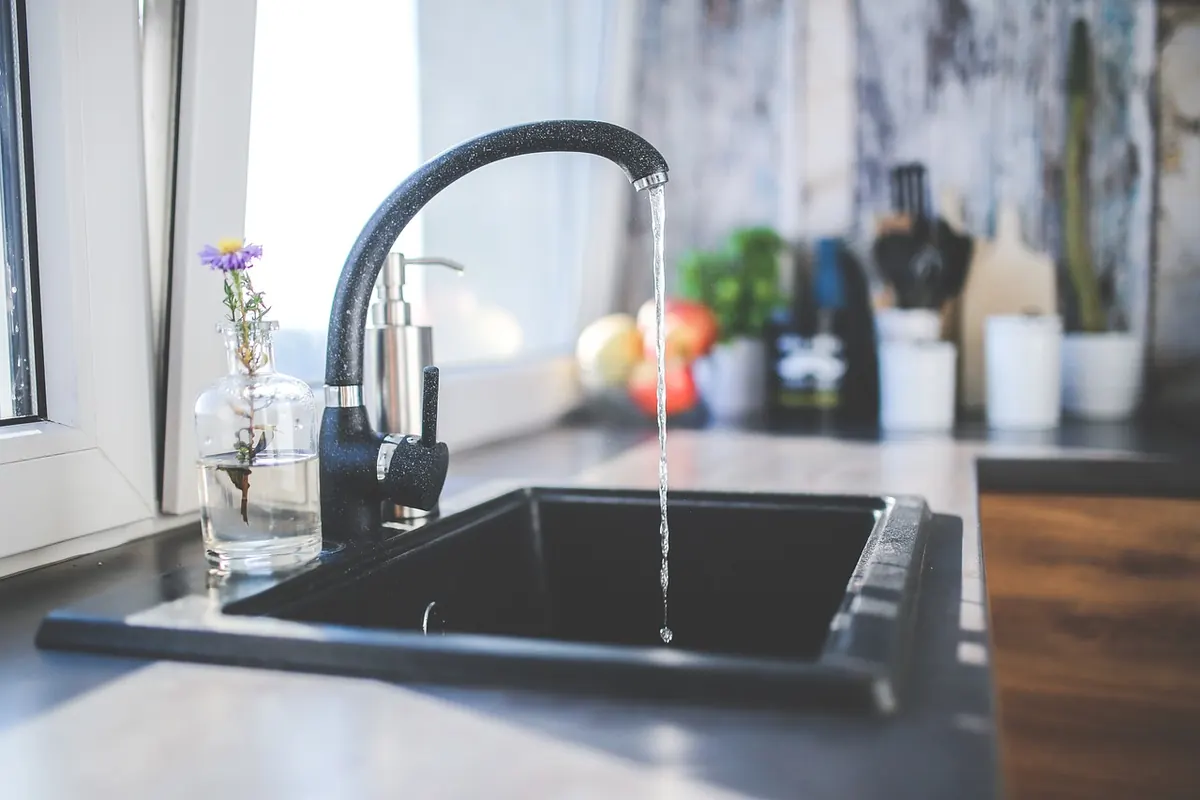
Photo: TheDigitalWay / Pixabay