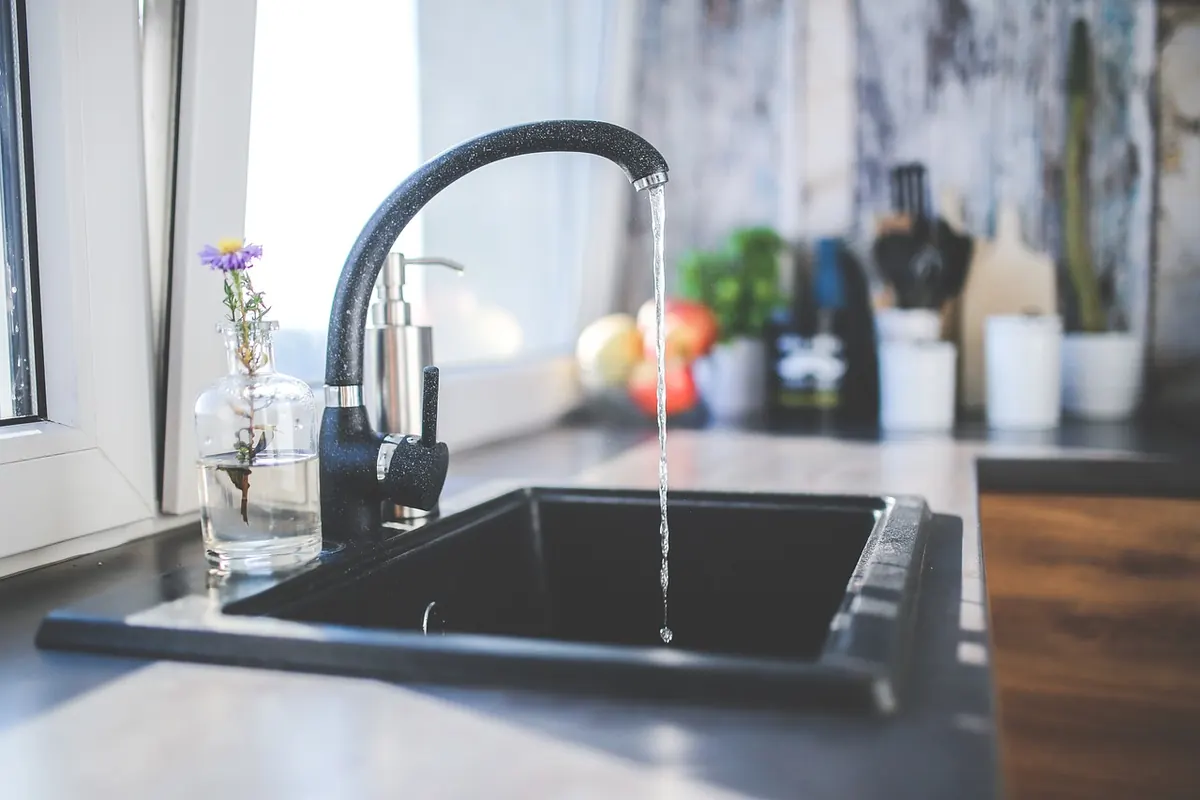
Hard water leaves a signature. A chalky film across the shower screen, a crusty collar around the base of the tap, a dull bloom where chrome used to shine. That deposit is limescale — mostly calcium carbonate — and it arrives in layers. Once it has dried and hardened, wiping it with a sponge is like trying to polish off rock with fabric. The order of operations matters: chemistry first, gentle abrasion second.
What Hard Water Leaves Behind (and Why Scrubbing Fails)
Every time hard water evaporates, it leaves its dissolved minerals in place. On a shower door that happens dozens of times a week, and the minerals bond to the glass. Add soap scum — the greasy residue of soap and body oils — and you get that greyish, slightly tacky film that feels rough under your fingers.
These are two different problems, which is why a single product rarely wins. Soap scum needs a surfactant to lift it. Limescale needs an acid to dissolve it. Do them in the wrong order and you'll be scrubbing a calcium deposit that's still protected by a layer of grease.
Check the Surface Before You Reach for the Acid
Acid is the right tool for limescale, but it is not right for every surface in a bathroom. Read this before you spray anything.
- Glass, glazed ceramic tile, chrome and stainless steel: acid-safe in short bursts. Rinse well afterwards, and don't leave vinegar sitting on chrome overnight.
- Natural stone — marble, travertine, limestone, slate: never use acid. It eats the surface and leaves permanent etch marks. Use a dedicated stone-safe limescale product instead.
- Grout and cement-based joints: tolerable in small doses on glazed tile, but keep it brief and rinse thoroughly.
- Aluminium, brass and thin decorative plating: acid can pit or strip these. Test on a hidden edge first.
- Never mix acid with bleach or with another cleaner. Combining them can release dangerous fumes. Use one product, rinse, then consider whether you need a second.
Ventilation isn't optional. Open a window or run the extractor fan, and wear gloves — repeated acid contact is rough on skin.
Start Mild: Clear the Scum So the Acid Can Work
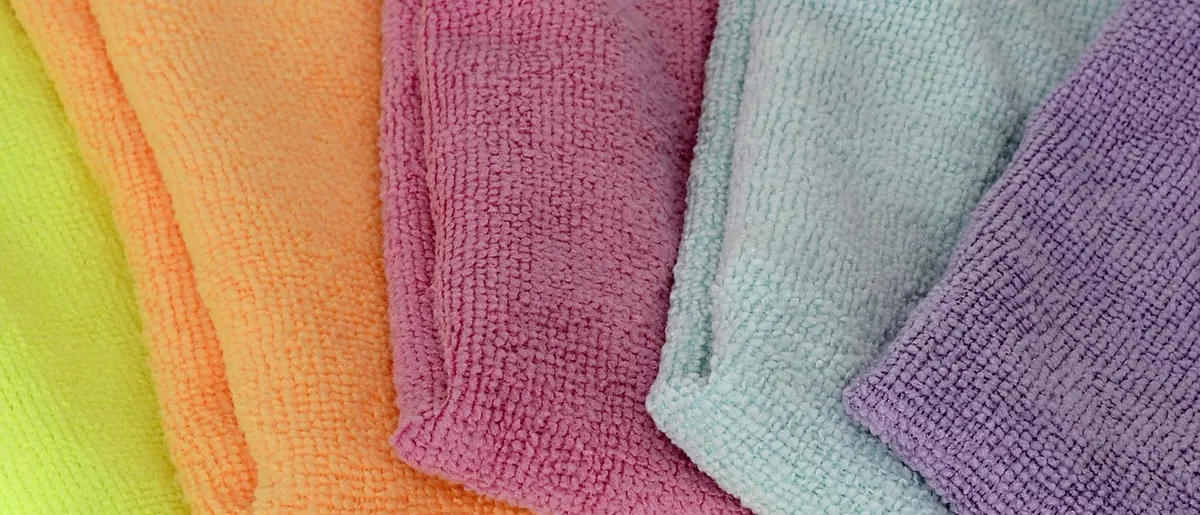
Before any acid goes near the glass, wash the surface with warm water and a few drops of washing-up liquid. A microfibre cloth does most of this job. For thick, dried ridges, use a plastic scraper — the kind sold for ceramic hobs, or a stiff old loyalty card. Plastic lifts crust without leaving the fine scratches that a scourer would.
Rinse and look again. You'll often find that a third of what you thought was limescale was actually soap scum, and it's already gone.
The Soak-and-Dissolve Method
The trick with limescale is contact time. You don't need force; you need the acid to sit there long enough to break the deposit down.
Shower doors and glass panels
- Mix one part white vinegar with one part water in a spray bottle, or dissolve two tablespoons of citric acid powder in 500ml of warm water. Citric acid smells far milder and works just as well.
- Spray the panel generously, then press cling film over it so the liquid stays put instead of running down the glass.
- Leave it for 15 to 30 minutes. On a vertical surface, this is the difference between dissolving and dribbling.
- Remove the film and wipe with a non-scratch pad — the white nylon type, never wire wool.
- Rinse with clean water, then squeegee dry. Leftover acid keeps working on the frame and seals long after the glass is clear.
Taps and fittings
Unscrew the aerator from the spout — the little mesh cap where the water comes out — and drop it into a mug of the citric acid solution for half an hour. An old toothbrush clears the mesh afterwards. For the tap body, soak a strip of paper towel in the solution, wrap it around the base, cover with cling film, and leave for 20 minutes. The toothbrush gets into the seam where the crust actually lives.
Tiles and grout
Work in sections of about a square metre so the solution doesn't dry before you get to it. A soft grout brush is enough; stiff wire brushes scratch glaze and open up the grout lines.
Rinse, then rinse again. Residue is what dulls chrome and leaves streaks on glass — the cleaning is done by the soak, not by the final wipe.
When the Build-Up Is Really Heavy
If the deposit has been there for years, a shop-bought limescale remover will save you time. Look for thick gels based on citric, sulfamic or phosphoric acid — gels cling to vertical surfaces, which is exactly what you want. Follow the dwell time on the label, don't improvise a longer one, and never combine the product with bleach or with a vinegar spray you used earlier.
For shower heads, unscrew the head and soak it in a bowl of hot (not boiling) citric acid solution. The spray holes usually clear within an hour.
If the Glass Is Etched, Cleaning Won't Fix It
There's a point where cloudy glass isn't dirty, it's damaged. Years of minerals and alkaline cleaners can etch the surface of the glass itself. The tell-tale signs: the haze doesn't change after a proper acid soak, and it feels slightly rough or pitted rather than slick.
No household product reverses that. Specialist polishing compounds can improve it, and some companies offer glass restoration, but results vary and it's easy to make things worse with an abrasive. What you should never do is attack it with steel wool or a scouring pad — that adds scratches to etching and turns a haze into a permanent fog. If the glass is badly etched and the bathroom is due a refresh, replacing the panel is often the cleaner answer.
Keep It Clear: Small Habits That Actually Work
Prevention beats restoration every time, and it takes seconds.
- Squeegee the shower screen after every use. This single habit removes most of the water before the minerals can dry onto the glass.
- Dry the taps with the towel you're already holding. The collar of crust never forms if the water doesn't sit there.
- Run the extractor fan during and after showers. Less moisture means less evaporation residue.
- Keep a spray bottle of diluted vinegar handy and give the screen a quick mist once a week. Five minutes weekly saves an hour monthly.
- Apply a water-repellent glass coating every few months. Test it on a corner first, and reapply before the beading stops working.
If limescale returns within days across the whole bathroom, the water itself is the issue. A proper ion-exchange water softener fitted to the mains supply is the only real fix at source; most shower filters sold for the purpose handle chlorine and sediment, not hardness. If you're considering having one installed, talk to a qualified plumber or water treatment specialist about what suits your supply and pipework.
Photo: Tama66 / Pixabay